Choosing the Right Fencing Material for Your Needs
Selecting the appropriate fencing material is crucial for achieving both security and aesthetic goals. Different materials, such as wood, vinyl, chain-link, and wrought iron, offer unique benefits and drawbacks depending on the specific requirements of your property.
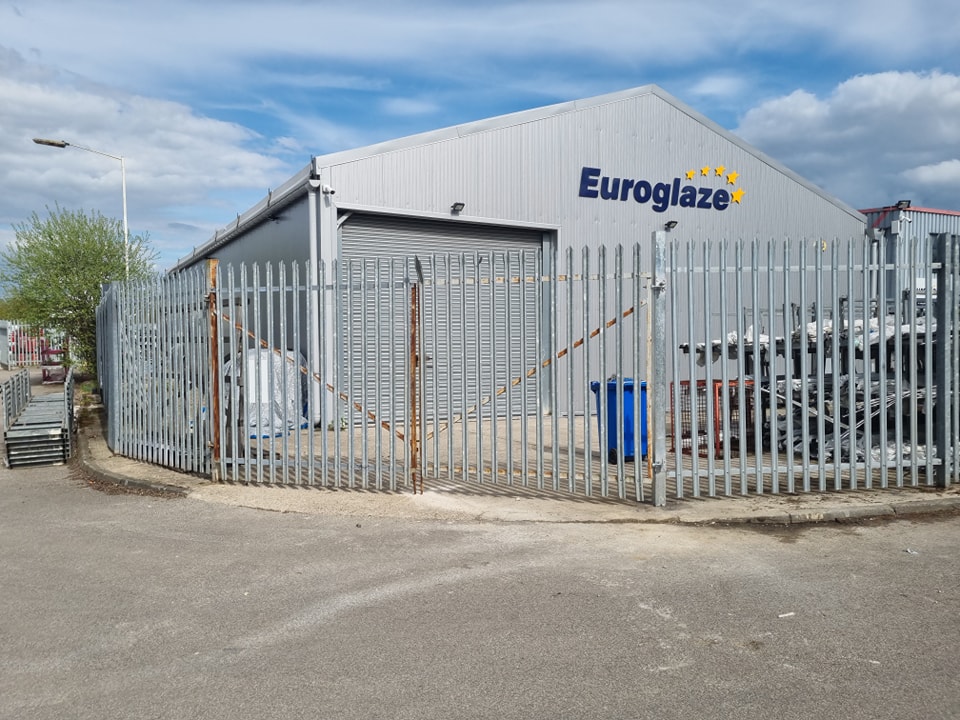
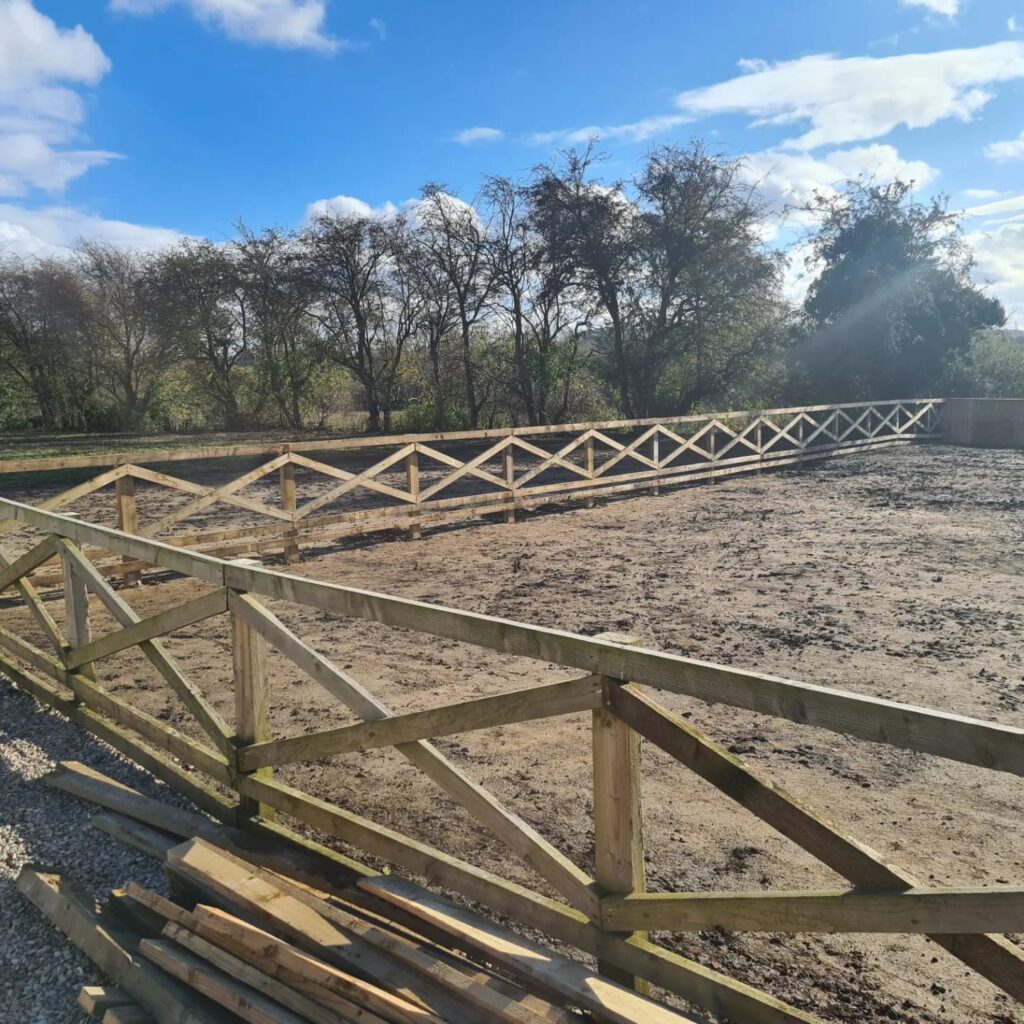
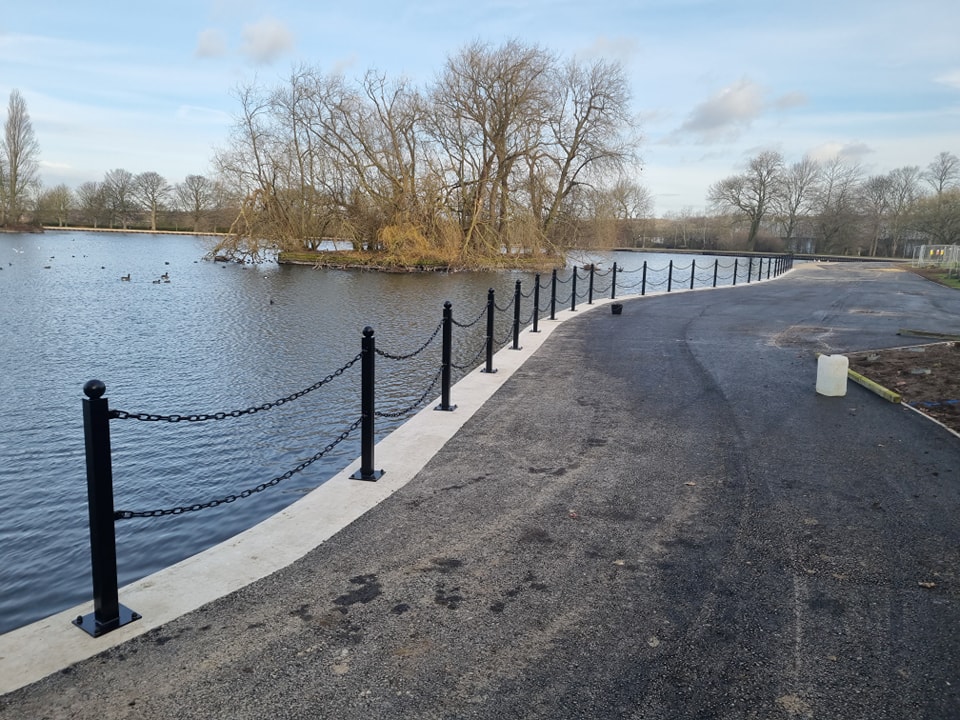
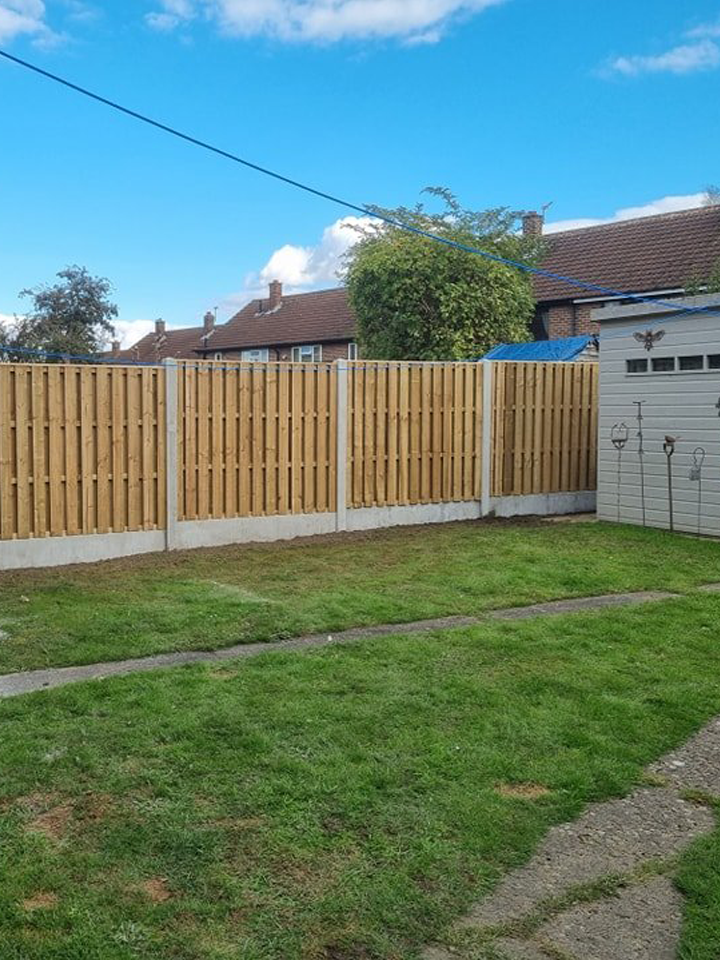
For instance, wood fences provide a classic look and can be customized to fit various designs, while vinyl is low-maintenance and resistant to weather damage. Chain-link is often chosen for its affordability and durability, making it ideal for security purposes, while wrought iron adds a touch of elegance and strength, perfect for ornamental applications.
Benefits of Professional Fencing Installation Services
Opting for professional fencing installation services ensures that your fence is built to last and meets local regulations. Experienced contractors, like CK Fencing Contractors, have the expertise to navigate potential challenges during installation, ensuring a smooth process from start to finish.
Moreover, professionals can provide valuable insights into design choices and material selection, helping you avoid common pitfalls. This not only saves time but also guarantees that your fence enhances your property's security and aesthetics effectively.
Understanding Fencing Regulations and Local Codes
Before installing a fence, it’s essential to understand local regulations and codes that may affect your project. These laws can dictate fence height, material choices, and placement, ensuring that your installation complies with community standards.
Failing to adhere to these regulations can result in fines or the need to remove the fence entirely. Consulting with local authorities or a knowledgeable fencing contractor can help you navigate these requirements, ensuring a hassle-free installation process.
Maintaining Your Fence: Tips for Longevity
Regular maintenance is key to extending the lifespan of your fence and preserving its appearance. Simple practices, such as cleaning, painting, or sealing, can prevent damage from weather conditions and pests, ensuring that your fence remains functional and attractive.
For example, wooden fences should be treated with sealants every few years to protect against moisture and insects, while vinyl fences can be cleaned with soap and water to remove dirt and stains. By investing time in maintenance, you can avoid costly repairs and replacements in the future.
Choosing the Right Fencing Material for Your Needs
Selecting the appropriate fencing material is crucial for achieving both security and aesthetic goals. Different materials, such as wood, vinyl, chain-link, and wrought iron, offer unique benefits and drawbacks depending on the specific requirements of your property.
For instance, wood fences provide a classic look and can be customized to fit various designs, while vinyl is low-maintenance and resistant to weather damage. Chain-link is often chosen for its affordability and durability, making it ideal for security purposes, while wrought iron adds a touch of elegance and strength, perfect for ornamental applications.
Benefits of Professional Fencing Installation Services
Opting for professional fencing installation services ensures that your fence is built to last and meets local regulations. Experienced contractors, like CK Fencing Contractors, have the expertise to navigate potential challenges during installation, ensuring a smooth process from start to finish.
Moreover, professionals can provide valuable insights into design choices and material selection, helping you avoid common pitfalls. This not only saves time but also guarantees that your fence enhances your property's security and aesthetics effectively.
Understanding Fencing Regulations and Local Codes
Before installing a fence, it’s essential to understand local regulations and codes that may affect your project. These laws can dictate fence height, material choices, and placement, ensuring that your installation complies with community standards.
Failing to adhere to these regulations can result in fines or the need to remove the fence entirely. Consulting with local authorities or a knowledgeable fencing contractor can help you navigate these requirements, ensuring a hassle-free installation process.
Maintaining Your Fence: Tips for Longevity
Regular maintenance is key to extending the lifespan of your fence and preserving its appearance. Simple practices, such as cleaning, painting, or sealing, can prevent damage from weather conditions and pests, ensuring that your fence remains functional and attractive.
For example, wooden fences should be treated with sealants every few years to protect against moisture and insects, while vinyl fences can be cleaned with soap and water to remove dirt and stains. By investing time in maintenance, you can avoid costly repairs and replacements in the future.